Community, Mi Amigo
July 10, 2023
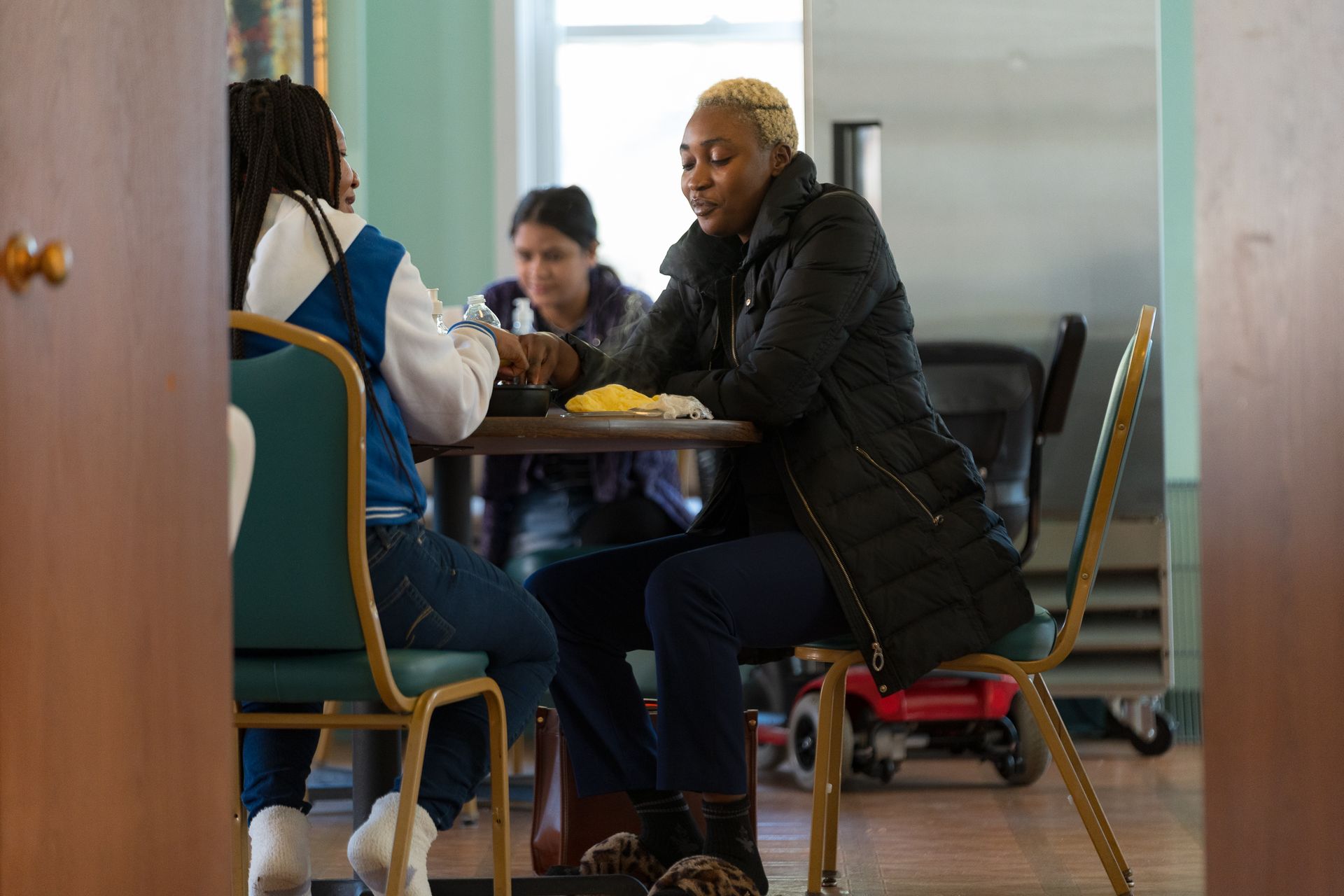
Clients and staff share lunch at AWE between Day Program classes. Photo credit: Wide Angle Media

By Beth Watkins and Laura Brown

July 10, 2023


“Hola! Mi amigo!” 

We hear these words often around AWE, particularly on Day Program mornings as clients arrive for classes or during lunch when staff, clients, and volunteers share a meal together in our community dining room.


But during AWE’s Day Program celebration last month, the words stood out, as Andre,* a client from Central Africa who doesn’t speak Spanish, greeted his Central America classmates with the Spanish phrase, a handshake, and a hug. 


Over the last several months, Andre has built relationships with other AWE clients from all over the world through AWE’s Day Program. Despite speaking different languages and coming from different cultures, countries, and backgrounds, they’ve developed friendships and connections, helping one another navigate their new lives in America. 


AWE’s Day Program runs three days a week and includes a range of classes, activities, and workshops. Classes include ESL, parenting, and digital and financial literacy, and are taught by volunteers, staff, and clients participating in AWE’s client leadership program. Other activities include field trips, public transit orientations, community gardening, therapeutic bodywork, group therapy, community celebrations, and library tours. In between classes, AWE staff, clients, and volunteers share a hot lunch. 


At the end of each season, we host a Day Program celebration. Clients receive certificates recording the hours they attended class, and awards for those who attended the most. 


This spring celebration was particularly special – clients and their children enjoyed food in our courtyard garden, took pictures together, and congratulated each other on their achievements. Clients didn’t cluster together in language groups. Instead, they intermingled, joked with each other in shared English or the bits of Spanish, French, and other languages they’d picked up from one another. Everyone happily posed for pictures with a client who has hearing and visual impairments, and limited ability to communicate, and whom the AWE community has warmly embraced. When a Cameroonian mother of nine month-year old twins left early to attend a medical appointment, clients took turns holding and feeding the babies in her absence. A male 19-year-old Honduran client pushed one of the twins in a stroller until she fell asleep. 


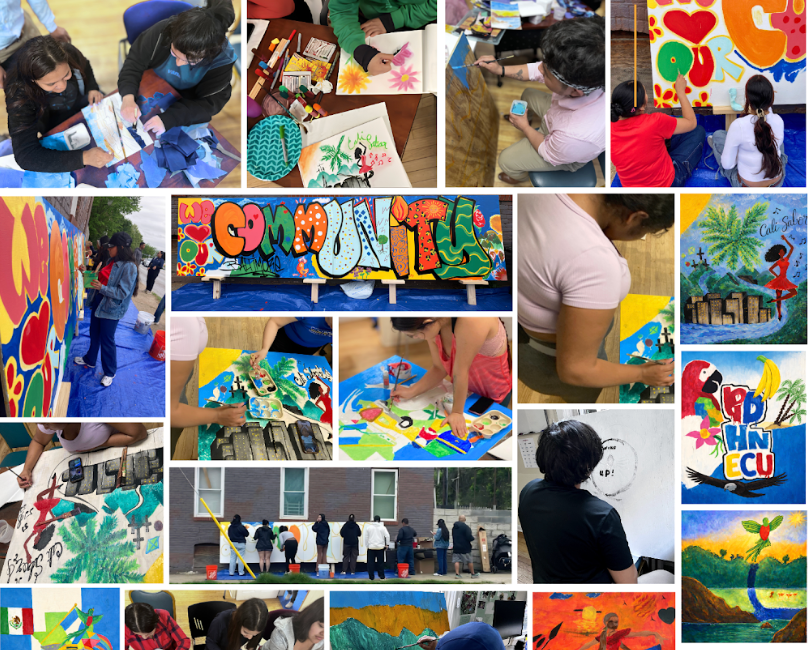
Community is one of AWE’s core values, and something we talk about a lot. We believe that by connecting with one another, we’re able to achieve more than we could alone. 


Through our Day Program and other services, we strive to create a safe and welcoming space for people all ages, ethnicities, cultures, and backgrounds to create community with each other while accessing the support and resources they need to navigate a new country and culture. 


*Name changed to protect the privacy of our client.

Share this post

All News and Events
By By An AWE client March 2, 2026
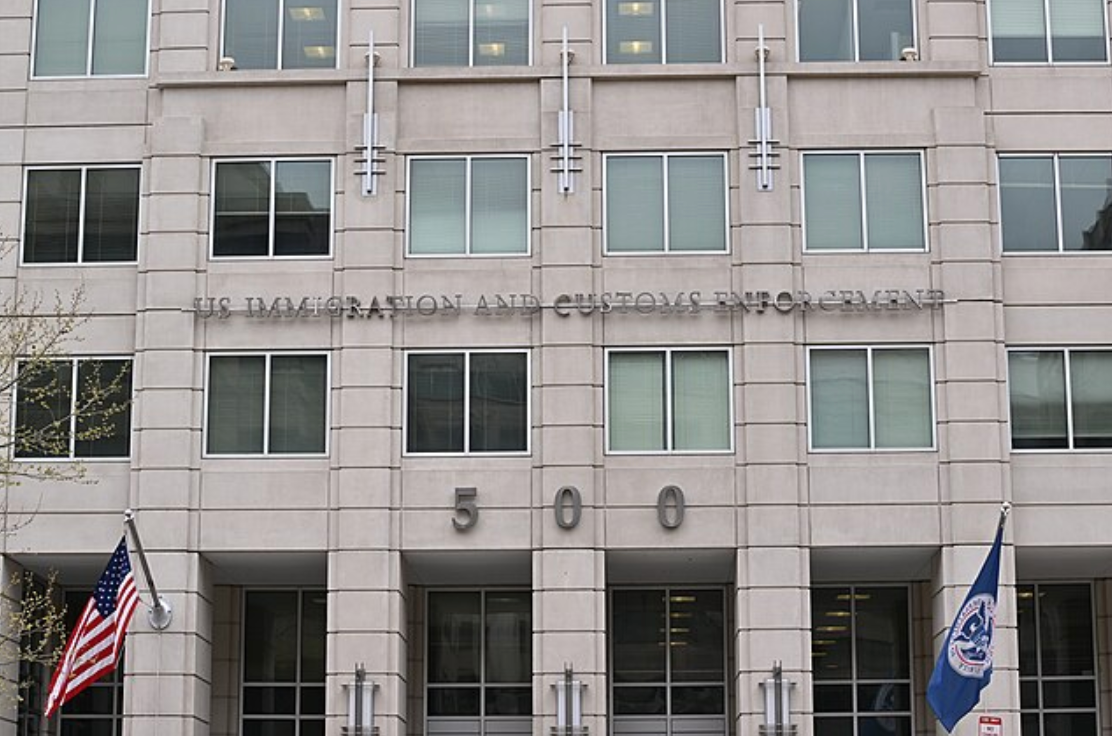
This is the story from an AWE client, in their own words, of what it’s like to live under ICE surveillance.
By By An AWE client February 27, 2026
This is the story from an AWE client, in their own words, of what it’s like to live under ICE surveillance.
By Laura Brown and Rachel Braver November 17, 2025
Every October, survivors, advocates, and allies unite across the country to honor Domestic Violence Awareness Month. But this October, they are grappling with the effects of two new legal rulings which make asylum even harder to obtain for survivors of domestic violence. The impact of the rulings is illustrated by the case of an AWE client, Ana*. Ana* suffered decades of abuse in her home country at the hands of her husband, who believed that a husband has the right to treat his wife however he wants. Ana was determined to find protection for herself and her children. Repeatedly, she turned to her church, the police, and the judicial system for help. Yet, every time she was ignored, dismissed, and even mocked by the systems meant to protect her. Over and over, she was told to accept the abuse because that was the role of a wife. After a decade of abuse, multiple attempts on her life by her husband, and numerous dismissed police reports, Ana knew she had to flee to save her life. It was clear that she would not be protected in her country of origin. Ana fled to the United States with her children seeking safety. She made her way to Baltimore, where she connected with AWE. At AWE, Ana worked with our legal team to apply for asylum. Over many meetings, they documented Ana’s story - about the abuse she experienced and her repeated attempts to find protection. Together, they gathered police reports, medical and court records, and letters from friends and family, attesting to the abuse and her efforts to find help. At her hearing, Ana underwent hours of questioning. She testified that her husband’s abuse was motivated by his belief in male dominance and the dominance of a husband over his wife. She described how this belief is pervasive in her country, and how it made it so difficult for her to receive the protection she needed. The legal team argued that Ana qualified for protection as a woman who could not safely leave an abusive relationship in a country where the government failed to protect her. We submitted a legal brief citing years of legal precedent recognizing that violence- including domestic and intimate-partner violence- motivated by the victim’s gender constitutes persecution under asylum law. The judge agreed, and Ana’s case was approved. Ana thought that she would finally be able to live in safety and begin to rebuild her life with her children. But just a few weeks after her case was approved, the two new rulings were released, and suddenly Ana’s asylum approval was in jeopardy. The rulings drastically narrow the legal pathways to protection for survivors like Ana. One ruling reclassifies intimate partner and gender-based violence as “private matters” instead of persecution. It also raises the standard for proving that an applicant’s country cannot or will not protect them from the violence, meaning that asylum claims will be denied even with evidence that police ignored a victim’s attempts to seek protection. The rulings also move to exclude gender-based violence as a basis for asylum. To qualify for asylum, applicants must prove that they experienced persecution because of a protected characteristic: race, religion, nationality, political opinion, or membership in a particular social group. When the United Nations (UN) Refugee Convention - which is the basis for US asylum law - was written, gender was not included as a protected characteristic. In the years since, however, as gender-based violence has become better understood, the UN has acknowledged that gender-related asylum claims should be recognized under “membership in a particular social group”. In recent decades, judges have recognized gender-related social groups such as the one our legal team argued in Ana’s case: “women who cannot safely leave an abusive relationship in a country where the government fail to protect them”. In granting these kinds of asylum claims, judges acknowledge that in many contexts, gender puts individuals at risk for persecution because of societal views. However, the new rulings state that social groups based on gender are too broad - ignoring the reality of violence motivated by gender. Fortunately, Ana’s asylum approval has not been rescinded. But if her case had been decided just a few weeks later, her application may have been denied, and she would have been forced to return to danger. For countless survivors of domestic violence whose asylum applications are still pending, the door to safety has likely been shut abruptly by these rulings. This is another example of the many ways the current administration is rewriting immigration law, creating incredible volatility and rapidly denying people their rights and protections. At AWE, we will continue to fight for survivors like Ana — and for every person’s right to safety, dignity, and the opportunity to rebuild their lives.
By Laura Brown October 1, 2025
This October 11th, we will gather for AWE’s Annual 5K Run & Walk—our biggest fundraiser and one of our favorite traditions. Now in its 12th year, the race has grown from a small neighborhood run to an event that brings close to 200 runners and walkers to Herring Run Park each fall. The 5K helps us raise critical funds to support Baltimore’s immigrant community, especially as our clients face growing challenges. Many are struggling to cover legal fees, government application costs, rent, and medical bills, all while living with the constant fear of increased ICE enforcement. Even a simple trip to the grocery store or a doctor’s appointment can feel dangerous. In 2025 alone, we’ve distributed more than $200,000 in emergency financial assistance to hundreds of asylum seekers and immigrant trafficking survivors—and the need continues to grow. The 5K helps us meet these urgent needs, but it’s also about more than fundraising. It’s a chance for clients, staff, volunteers, and supporters to come together, to connect, and to remind one another that we are not facing this fight alone. As the world grows darker and more frightening, I find myself needing these shared spaces more than ever —whether it’s the joy and fun of the 5K, community meals shared twice a week at AWE, rallies and protests organized by partners, or a celebration when a client is granted asylum. These moments sustain me. They matter because they offer what this administration is trying to take away: connection instead of division, hope instead of despair, resistance instead of conformity. They remind us that even in the face of so much cruelty, we still have the power—and the responsibility—to resist, to push back, and to protect and support one another. The 5K is one of those spaces—a moment to come together, to create joy, and to remind each other that we are not alone.  Whether or not you join us on October 11th, I hope you will keep seeking out and building these spaces of connection and resistance—by volunteering, donating, sharing stories, and standing beside our neighbors in times of need. However we choose to take part, every act of showing up is a refusal of cruelty and an affirmation of each other’s humanity and dignity.
By Rasha Elmahdi July 28, 2025
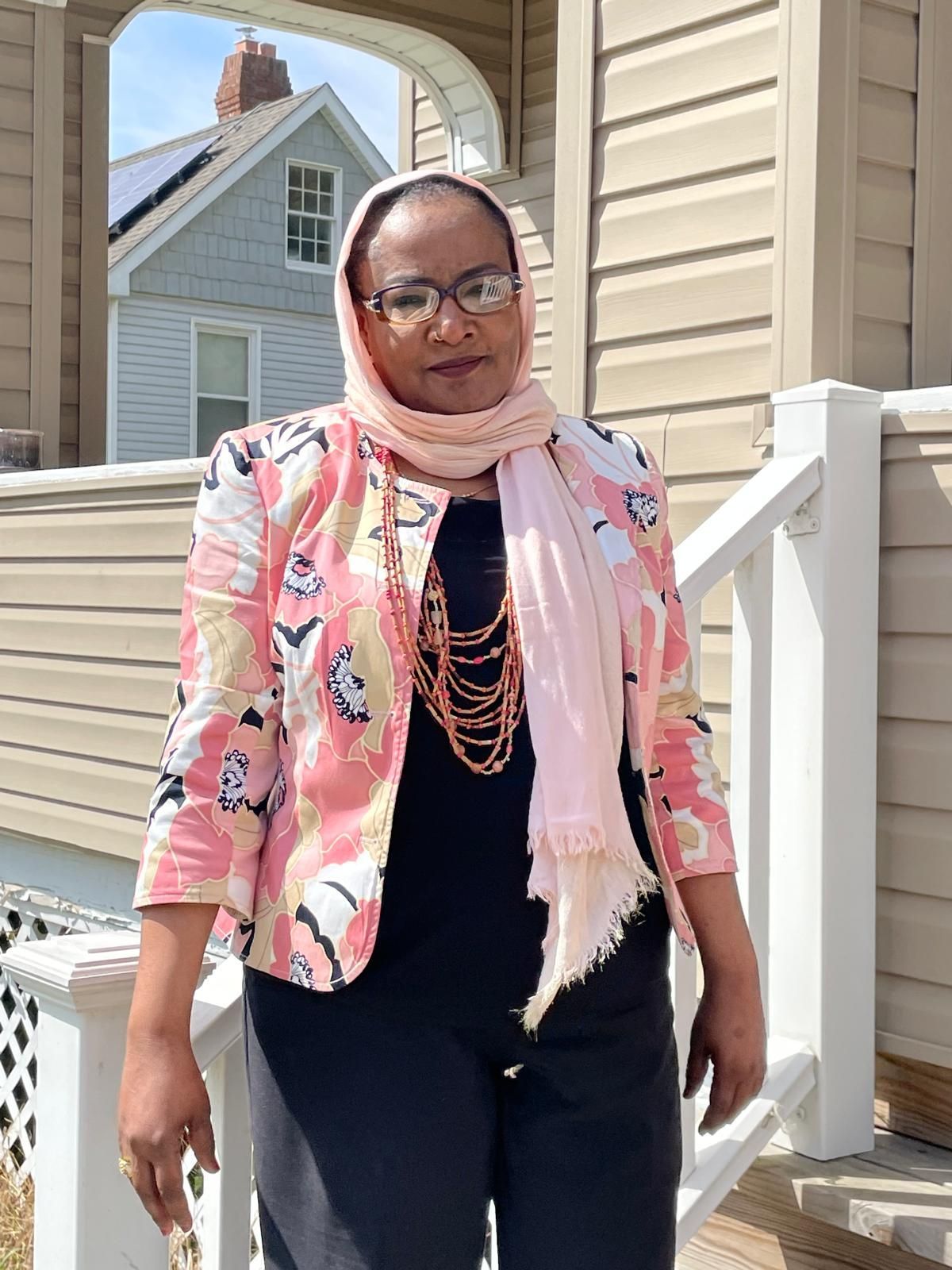
Rasha, AWE’s Policy, Advocacy, and Health Specialist, in front of an AWE housing unit
By Laura Brown March 24, 2025
Raffle, Music, and Drinks at Peabody Heights Brewery. Enjoy great music and drinks and win prizes while supporting our work! Join us on April 25, 2025, from 4–9pm. All raffle proceeds and a portion of taproom sales will go toward our programs.
By Beth Watkins March 10, 2025
We complete satisfaction surveys with every client throughout their time at AWE. One question we always ask is, “What is the most impactful aspect of our services?” Overwhelmingly, clients mention the sense of community and welcome. Community is at the heart of our work, and we are committed to creating a warm, welcoming, and supportive space for everyone we serve. Clients, volunteers, staff, donors, and partners are all essential parts of the AWE community.  But what exactly do we mean when we talk about the AWE community?
Maria’s two daughters play in AWE’s community garden.
By Lauri Hidalgo and Laura Brown January 18, 2025
Maria fled violence in Central America with her two small children and came to the US seeking safety. Soon after she arrived, an acquaintance in Maryland offered her a place to live and help finding a job. But once here, Maria and her daughters were locked in a room, and she was only allowed to leave to work. Her traffickers forced her to use fake identity documents and hand over all the money she earned. They threatened to deport her and hurt her family back home if she tried to escape.  Maria and her daughters eventually escaped, and a few weeks later, she showed up at AWE asking for help. We quickly enrolled her and began providing wraparound support for the family. Maria is now working with a lawyer to apply for a T Visa—a form of immigration relief available to trafficking survivors who cooperate with law enforcement to investigate and prosecute their traffickers. Maria is one of thousands of immigrant adults and children who are trafficked in the US each year. Without permanent immigration status and often unfamiliar with the language, culture, and laws of their new country, immigrants are especially vulnerable to exploitation and abuse.
More Posts